
Coffee Prices Are Rising. Here's What That Actually Means for Your Morning Cup
If you've been to the supermarket recently, you've noticed. Coffee costs more. Not a little more — meaningfully more. Global coffee prices in 2026 are at or near historic highs, and industry analysts don't expect a significant reversal.
Before you reach for a cheaper bag, it's worth understanding what's actually happening — because the story is more interesting, and more important, than a headline about inflation.
Why coffee prices are rising
Two things are happening simultaneously. First, climate disruption has hit the two largest coffee-producing countries — Brazil and Vietnam — with unusual severity. Crop yields are down, and what does come to market is smaller in volume and less consistent in quality.
Second, and less reported: demand for specialty-grade arabica is outpacing supply. The same consumer shift driving the fourth wave of at-home coffee culture — more discerning drinkers, more equipment, more knowledge — is creating competition for the world's best beans at a level the supply chain wasn't built for.
We are not going back to cheap coffee. Pricing now reflects the true cost of producing coffee responsibly.
That line is from a specialty coffee founder writing about 2026 market conditions. It's worth sitting with. Because it reframes the question. The question isn't why is coffee getting more expensive. The question is: was it ever really priced correctly?
The true cost of coffee
For decades, commodity coffee — the kind that fills supermarket shelves at $8 a can — was priced without accounting for what it actually cost to produce sustainably. Farmers were paid commodity rates that made it nearly impossible to invest in quality, soil health, or fair wages. The price at the consumer end looked affordable. The cost at the farm end was hidden.
Specialty coffee — particularly Living Wage Verified specialty coffee like Joro — was always priced closer to the true cost. The farmers were paid more. The sourcing relationships were more direct. The quality was higher. That gap between commodity and specialty is now narrowing, not because specialty is getting cheaper, but because commodity is catching up to reality.
If you're going to pay more for coffee, you should get more for it. That means a bean worth paying for.
What this means for what you buy
There's a version of this story where you respond to rising prices by trading down — buying cheaper coffee to offset the cost increase. We'd respectfully suggest the opposite.
When prices rise across the board, the quality gap between commodity and specialty becomes more obvious, not less. A poorly sourced, mass-roasted bean that costs $12 now instead of $9 is still a poorly sourced, mass-roasted bean. The money went to the supply chain, not to the cup.
The better response is to invest in fewer, better bags. Know what you're buying. Understand the origin. Brew it well. Get more from less.
Kwasa Kwasa — value in the right sense of the word
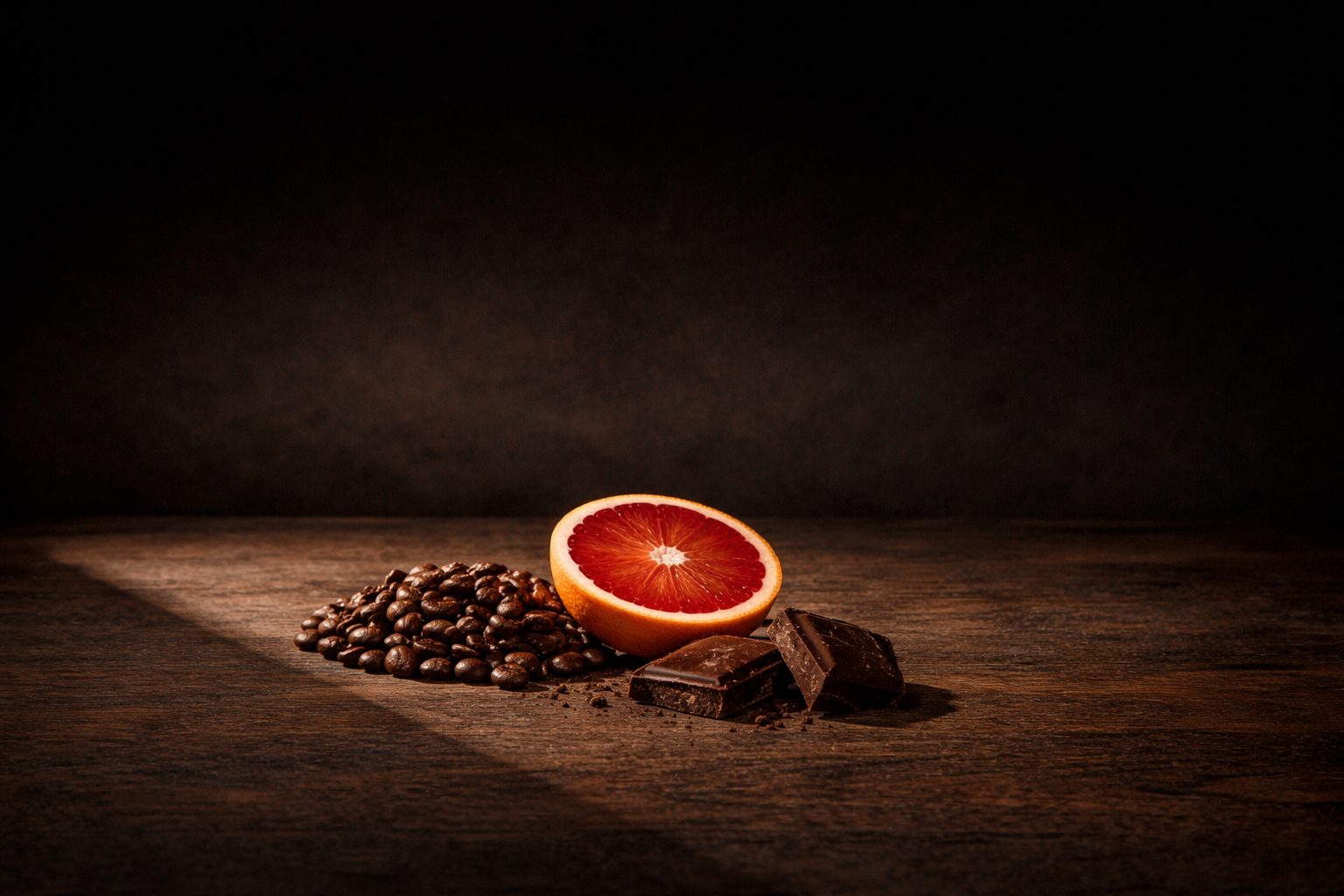
Our Kwasa Kwasa from Twende, DRC is one of the most compelling origins in the Joro lineup for exactly this reason. The DRC's eastern highlands — grown near Lake Kivu at high altitude on volcanic soil — produce arabica beans with a citrus brightness and chocolate finish that is genuinely exceptional.
The DRC is also one of the world's most challenging sourcing environments. Which is exactly why Living Wage Verified sourcing matters most there. When we say the farmers who grew Kwasa Kwasa were paid fairly, we mean that in a context where that assurance is hard to make and harder to keep.
A bag of Kwasa Kwasa costs $24. That's not expensive for what it is — a specialty-grade, directly sourced, Living Wage Verified African arabica that you can taste the intention behind. In a world where coffee prices are rising everywhere, this is what a price worth paying actually looks like.
The bottom line
Coffee prices are going up. That's real. But the response that serves you best — both in the cup and in what your money supports — is to buy better, not cheaper. To choose beans where the price reflects real value: real quality, real sourcing, real pay for real farmers.
That's what Joro is built on. From African soil to your cup — and now, you know exactly what went into making that journey worth the price.