
Why Your Coffee Tastes Different Every Season — And Why That's a Good Thing
Here's something that confuses a lot of specialty coffee drinkers. You find a bag you love. You finish it. You buy the same bag again — same name, same roaster, same origin. And it tastes slightly different. Not worse. Just different.
Your first instinct might be that something went wrong. Inconsistent roasting, maybe. A bad batch. But if you're buying specialty single-origin coffee, there's a much more interesting explanation: it's seasonal. Like wine. Like strawberries. Like everything that actually grows from the ground.
Coffee is a fruit
This sounds obvious but its implications are easy to miss. Coffee comes from the seed of a cherry — a red or yellow fruit that grows on a flowering tree. The flavour of that seed is shaped by everything that happened to the plant while it was growing: the rainfall that season, the temperature fluctuations, the soil's mineral content that year, how early or late the harvest came.
Two bags of Ethiopian Harrar from the same farm, one year apart, will taste different because two seasons are different. That's not a quality problem. That's terroir — the same concept that wine drinkers have celebrated for centuries, applied to coffee.
Consistency in commodity coffee comes from blending and chemistry. Consistency in specialty coffee comes from relationship — knowing the farm, the season, the harvest.
Commodity coffee handles this by blending beans from dozens of origins until the flavour profile stabilises. You get predictable. You lose distinctive. The cup tastes the same every time because it's been engineered to.
Specialty coffee makes a different choice. It lets the season speak. And what you taste — that slight shift in brightness, or depth, or sweetness — is the sound of a real place, a real year, a real harvest.
What this means in practice
If you're new to single-origin coffee, here's a practical guide to what you might notice as seasons change:
Lighter, brighter: Fresh-harvest coffees often have more citrus and floral clarity — the fruit notes haven't faded yet
Deeper, more caramel: Beans a few months into their crop year can develop more sweetness and body as they rest
Different finish: The finish — that lingering taste after you swallow — shifts with roast timing and bean moisture content
None of this means something went wrong. It means the coffee is alive. It's telling you something about where it came from and when.
Afrobeats — Cameroon's seasonal story
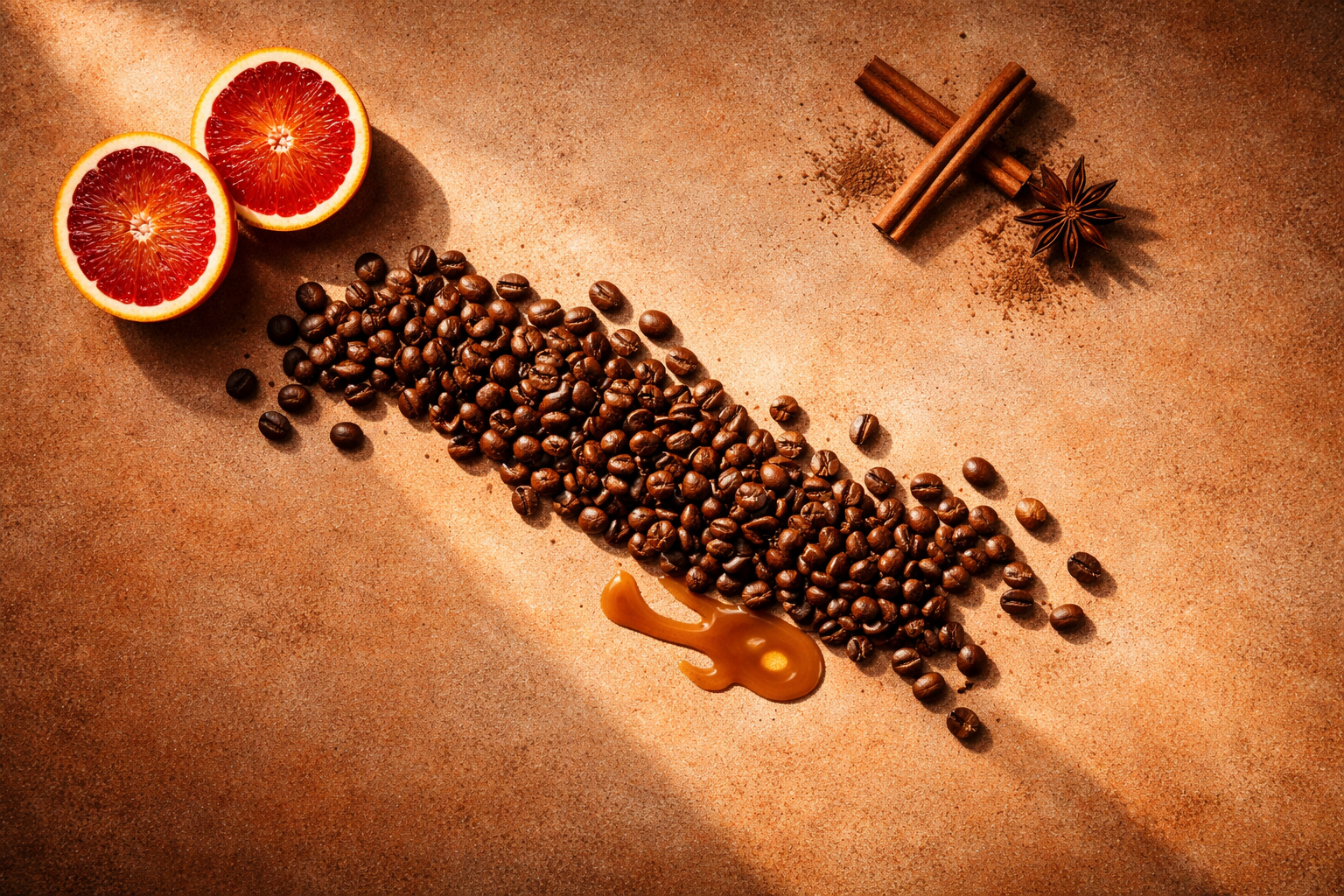
Our Afrobeats from Cameroon is one of the best examples of this in the Joro lineup. Cameroon's highland growing regions have a distinct harvest cycle that produces a coffee with blood orange brightness and warm spice in peak season — flavour notes that shift subtly as the crop year progresses.
Cameroon is one of Africa's most underappreciated coffee origins. The country's arabica production — grown in the volcanic highlands of the west and northwest — delivers a full body and spiced complexity that doesn't taste like anything from East Africa. It's its own flavour world.
When you taste Afrobeats, you're tasting a specific harvest from a specific place. The farmers who grew it — Living Wage Verified, sourced directly — made decisions about harvest timing, processing, and drying that shaped every note you experience. That's not a commodity. That's a conversation with a place.
How to get more from a seasonal coffee
A few simple things help you get the most from single-origin coffee:
Taste it black first: Before adding milk or sugar, taste the coffee as it is. Single-origin beans are designed to reveal themselves
Try different brew methods: The same bean through a French press versus a pour-over will emphasise different qualities — body versus clarity
Note what changes: If you buy the same origin in different seasons, keep brief notes. You're building a flavour vocabulary
Don't fight the season: If this month's bag is a little brighter or a little deeper than last month's, lean into it. Brew it the way it wants to be brewed
Why this matters beyond the cup
There's one more reason the seasonal nature of specialty coffee is worth understanding. It's a reminder that coffee is grown, not manufactured. Real people, in real places, working with real weather, made decisions that shaped what you're drinking.
At Joro, that's not an abstract idea. Every origin we source has a name, a region, a harvest period, and a verified record of how the farmers were paid. The seasonality of the coffee is inseparable from the humanity behind it. When your coffee tastes different, it's because the world it came from is different, season to season, year to year.
That's not a flaw. That's the whole point.