
What Is Single Origin Coffee — And Why Does It Actually Matter?
Single origin is one of the most used — and misunderstood — terms in specialty coffee. You see it on premium bags everywhere. But what does it actually mean? And does it matter to you as someone who just wants a great cup of coffee?
The short answer: yes, it does. But not for the reasons most people think.
What Single Origin Actually Means
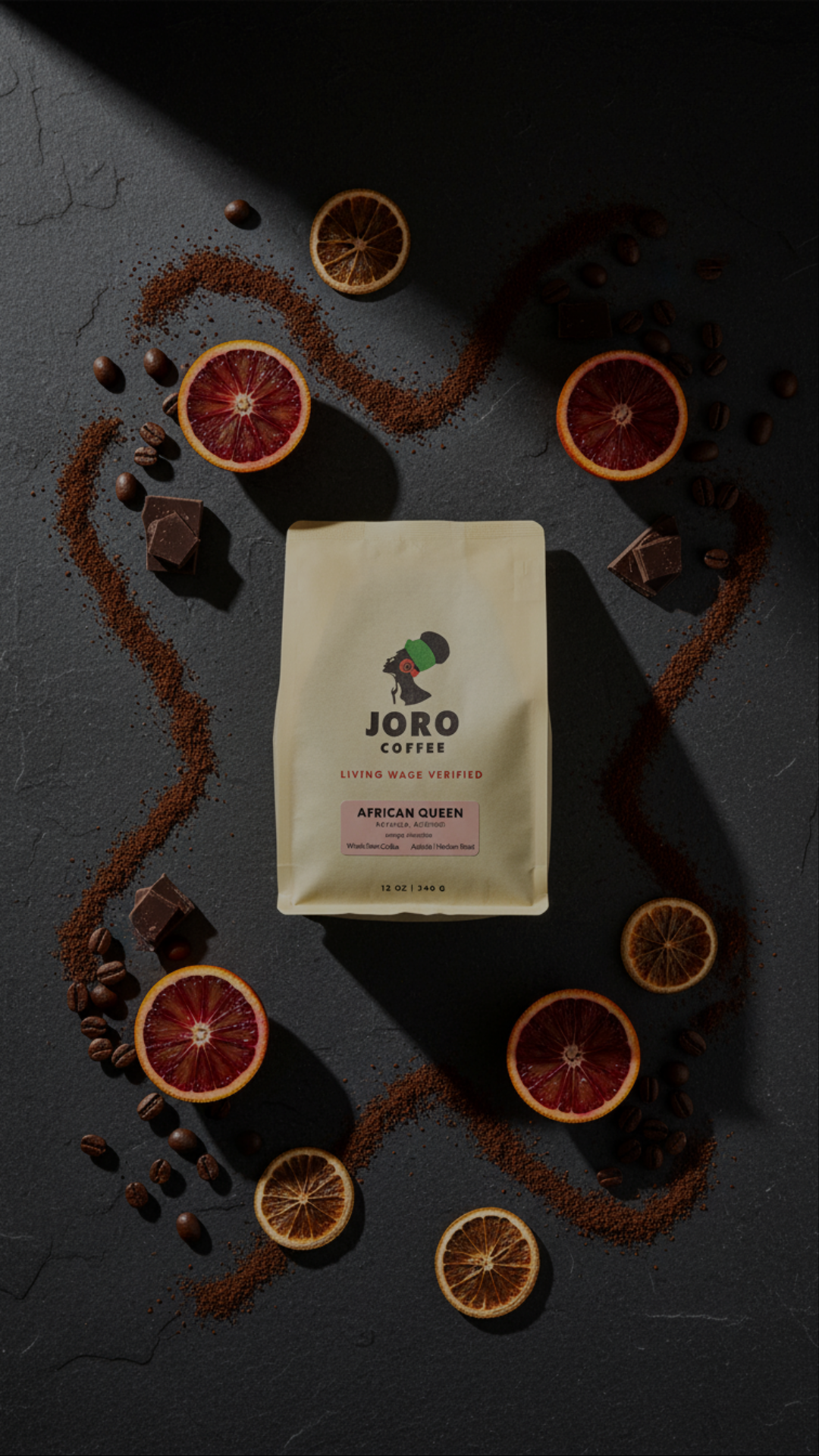
Single origin means the coffee in your bag comes from one specific place — one farm, one cooperative, or one region — rather than being blended from beans grown across multiple countries. That's it. It's a transparency claim as much as a flavor one.
Blended coffee gives roasters flexibility — they can combine beans to hit a consistent flavor profile year-round. Single origin gives you something else: a direct connection to a place and the people who grew your coffee.
Why the Flavor is Different
Terroir — the French word for the way geography shapes flavor — is real in coffee. Altitude, soil, microclimate, and processing method all shape the taste of the bean. When you drink single origin coffee, you're tasting that place directly.
A coffee from Burundi will taste different from one grown in Colombia — even if they're both medium-roasted arabica. The Burundi (like Joro's African Queen from Kayanza) might carry orange zest and dark chocolate. A Colombian might give you caramel and red apple. These aren't additives or flavored coffees — they're the natural result of where and how the bean was grown.
The Ethical Dimension
Single origin also matters for a reason that has nothing to do with taste: accountability. When your coffee is blended from 10 unnamed sources, it's nearly impossible to know who grew it or how they were compensated. When it's single origin, the trail leads back to a specific farm or cooperative.
At Joro, we take this further with our Living Wage Verified standard. Every origin we source — Kayanza in Burundi, Harrar in Ethiopia, Twende in DRC, Katanga — has been verified to ensure the farmers growing your coffee were paid fairly. Single origin makes that verification possible. A blend makes it nearly impossible.
Joro's African Queen: A Single Origin Worth Knowing
Our African Queen from Kayanza, Burundi is a masterclass in what single origin coffee can taste like. Kayanza is one of the most celebrated coffee-growing regions in Africa — high altitude, red clay soils, and meticulous wet processing produce a cup with bright orange citrus, dark chocolate, and a clean, lingering finish.
It's the kind of coffee that makes you put down your phone and just drink.
How to Choose Your First Single Origin
Start with the flavor notes on the bag. They're not marketing — they're a genuine guide to what you'll taste. If you like bright, citrusy flavors: start with Ethio-Jazz (Ethiopia) or Kwasa Kwasa (DRC). If you prefer rich, chocolatey depth: Amapiano (South Africa) or African Queen (Burundi) are your entry points.
Shop Joro's full single origin lineup at jorocoffee.com — every bag comes with origin notes, flavor profile, and living wage verification.