
African Coffee vs South American Coffee: What’s Actually Different
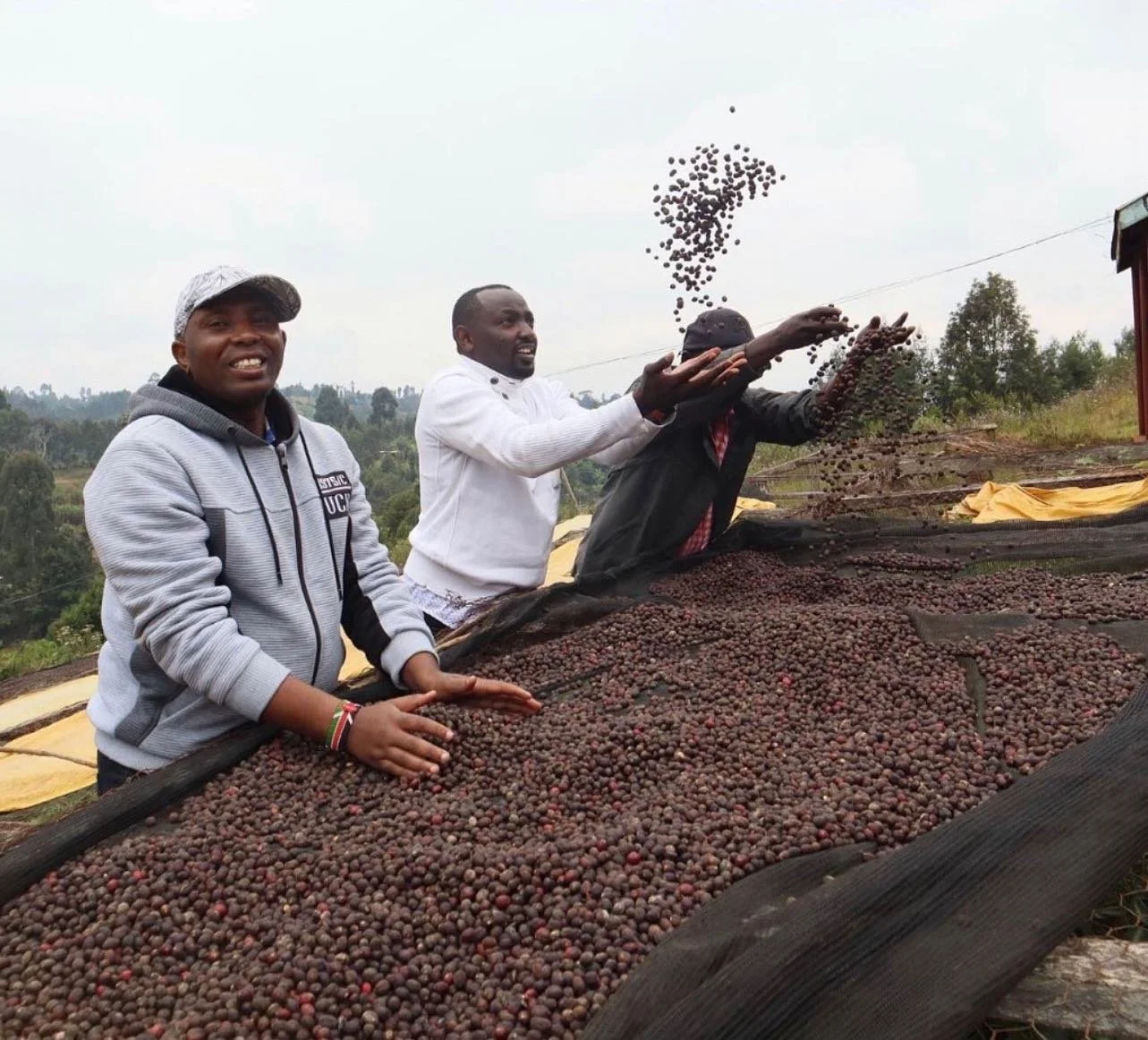
If you’ve been buying specialty coffee for a while, you’ve probably noticed that the bags in your cabinet come from one of two places: Africa or South America. And you might have noticed they taste different.
That difference is not subtle. And understanding it is one of the most useful things a home coffee drinker can know. It changes how you buy, how you brew, and how you experience the cup.
The short version
African coffee tends to be bright, fruity, floral, and complex. South American coffee tends to be chocolatey, nutty, smooth, and balanced.
Neither is better. They are different flavour worlds, shaped by different growing environments, different processing traditions, and different genetic varieties of the coffee plant.
Why African coffee tastes the way it does
Coffee originated in Ethiopia. The arabica species — the one used in specialty coffee — evolved in the Ethiopian highlands and spread from there. Ethiopian coffee trees carry extraordinary genetic diversity, with thousands of wild and cultivated heirloom varieties that exist nowhere else.
This genetic diversity produces natural flavour complexity that cannot be replicated. Ethiopian coffees can carry bergamot, jasmine, citrus, stone fruit, or wine-like notes — not because anything has been added, but because the variety of plant produces these compounds naturally during the cherry’s maturation.
Other African origins — Uganda, Kenya, Rwanda, Burundi, Cameroon, the DRC — share some of this brightness, shaped by high altitude, volcanic soil, and the slow maturation that comes from growing close to the equator at elevation. The result across the continent is coffee that is characterised by vivid, defined flavour: fruit, floral notes, bright acidity, clean finish.
Why South American coffee tastes the way it does
Colombia, Brazil, Peru, and Ecuador produce the majority of the world’s arabica outside of Africa. The flavour profiles that have come to define South American coffee — chocolate, caramel, nuts, brown sugar — reflect a combination of the arabica varieties planted historically (Bourbon, Typica, and their descendants) and the processing methods that became standard.
Brazilian coffee, which accounts for roughly a third of global production, is often naturally processed — dried as whole cherries — producing a lower-acidity, fuller-bodied cup with prominent chocolate and caramel. Colombian coffee, washed-processed, has more brightness and clarity but retains the chocolatey, fruit-forward baseline of the variety.
South American coffee is reliably consistent. The large farm scale, established infrastructure, and generations of quality control produce cups that are predictable from bag to bag and harvest to harvest. That consistency is a virtue in blending and espresso production.
African coffee surprises you. South American coffee comforts you. Both of these are things coffee should do.
The brewing method question
The flavour difference between African and South American coffee matters most when you choose your brewing method.
Pour-over and filter: African coffees — particularly Ethiopian and Ugandan — shine here. The clarity of pour-over allows the individual fruit and floral notes to come through distinctly. This is the method that reveals what makes single-origin African coffee special.
Cold brew: African origins with bright citrus and chocolate notes — like Joro’s Kwasa Kwasa from the DRC or Amapiano from South Africa — perform beautifully in cold extraction. The slow steep amplifies body and sweetness while preserving brightness.
Espresso: South American coffees have historically dominated espresso because their chocolate and caramel notes translate well under high pressure and produce consistent crema. That said, single-origin Ethiopian espresso has become a serious specialty category in itself.
French press: African coffees with full body — Cameroon’s Afrobeats, Ugandan Ngoma — work well in French press, where immersion brewing develops the body and rounds out the brightness.
What to try if you’re coming from South American coffee
If your coffee life has been defined by Colombian single origins or Brazilian blends, African coffee is a genuine discovery waiting to happen.
Start with something that bridges the gap. Joro’s Ngoma from Uganda has the body and caramel sweetness of a South American coffee alongside the fruit brightness of East Africa. It is the easiest introduction to African origins for someone accustomed to the chocolate-forward profiles of Colombia or Brazil.
From there, Ethio-Jazz from Harrar Ethiopia is the true African coffee experience — bergamot and citrus in a medium roast that tastes unlike anything from South America. Not better. Different. And worth knowing.
The six African origins in the Joro lineup
Joro sources from six African countries, each producing a different expression of what the continent’s terroir can deliver.
• Ethiopia (Ethio-Jazz): Citrus and bergamot. The origin that started it all.
• Uganda (Ngoma): Berries and caramel. East Africa’s most underrated arabica.
• DRC / Congo (Kwasa Kwasa): Citrus and dark chocolate. Volcanic highland depth.
• South Africa (Amapiano): Dark chocolate and caramel. An emerging origin’s statement cup.
• Cameroon (Afrobeats): Blood orange and warm spice. West Africa’s bold voice.
• Burundi (African Queen): Orange and dark chocolate. Kayanza precision in every bag.
All six are Living Wage Verified. All six are whole bean, medium roast. All six are different.