
Cameroon Coffee Beans: The African Origin Nobody Is Talking About
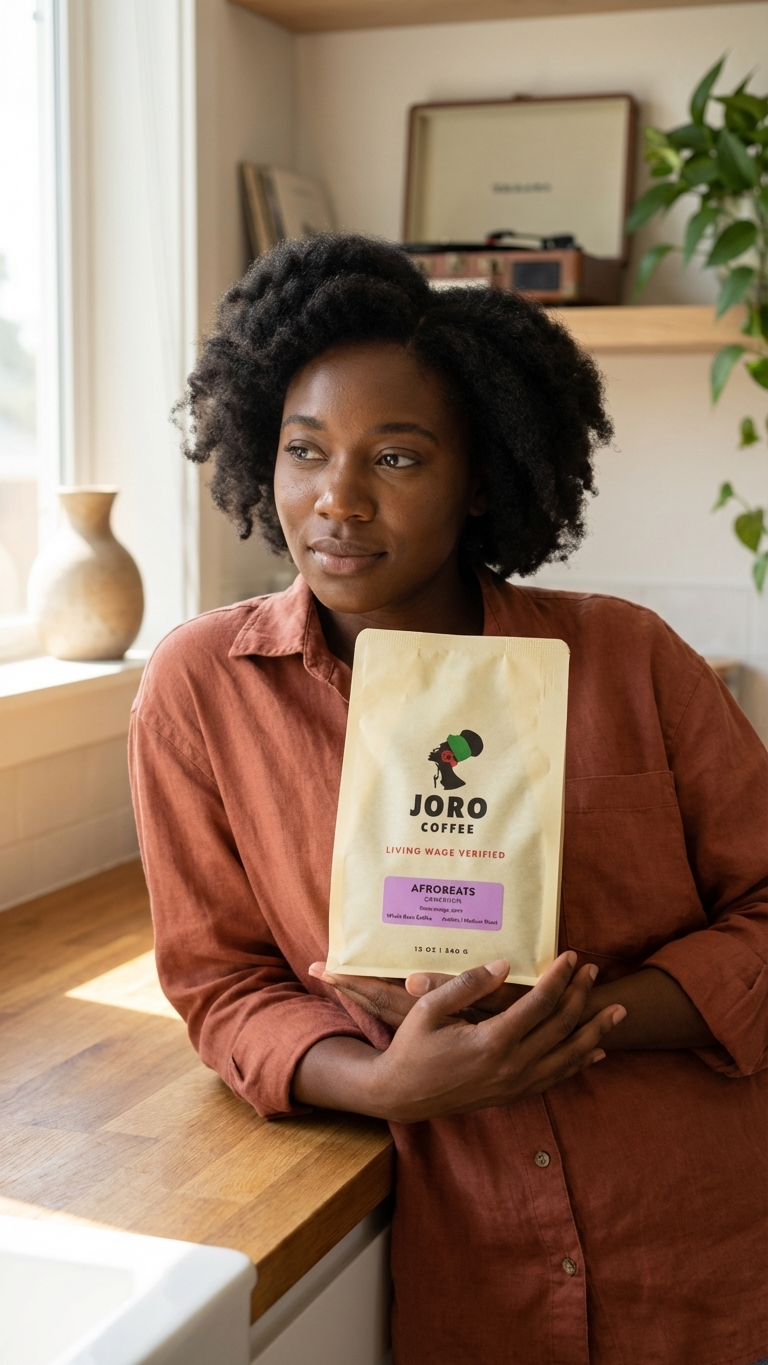
Every specialty coffee conversation starts in the same place. Ethiopia. Kenya. Maybe Rwanda. The East African origins have dominated the specialty world so thoroughly that for many buyers, ‘African coffee’ has become synonymous with East African coffee.
Cameroon is in the centre of the continent. And it is producing arabica that belongs in a completely different flavour conversation.
Where Cameroon sits in the African coffee story
Cameroon occupies a unique geography: it sits at the intersection of West and Central Africa, bordering Nigeria to the northwest, Chad to the north, the Central African Republic and DRC to the east, and Gabon, Congo-Brazzaville, and Equatorial Guinea to the south. The country contains multiple distinct climate zones within its borders — tropical coast in the west, semi-arid savannah in the north, and the volcanic highlands in the northwest and southwest where coffee grows.
Those highlands — the Bamenda Highlands, the area around Mount Cameroon, the Bamileke Plateau — sit between 1,000 and 2,000 metres above sea level. The soil is volcanic. The rainfall is consistent. The growing conditions produce a full-bodied arabica that carries the mineral depth of volcanic soil and a flavour complexity that East African origins, for all their excellence, do not replicate.
What Cameroon coffee tastes like
If you came to Cameroon coffee expecting the brightness of Ethiopian or Ugandan arabica, you would be surprised. Cameroon arabica is bolder. Fuller. More spiced.
The tasting notes that define the best Cameroon highland arabica are blood orange on the entry — vivid, slightly citrusy but with more depth than a simple brightness — followed by a warm spice quality on the mid-palate. Think cinnamon, a hint of clove, a gentle warmth that is not heat but complexity. The finish is long, with a caramel sweetness that lingers.
It is a coffee that rewards slower brewing. Not a fast espresso pull. A long pour-over, a French press, a cup that you sit with rather than gulp.
Cameroon arabica doesn’t ask for your attention. It commands it.
Why Cameroon coffee is so rare in the West
Cameroon has been producing arabica for over a century. During the colonial period, large estates grew coffee for export to Europe. After independence, the industry shifted to smallholder farming, and quality varied widely. For much of the late 20th century, Cameroon coffee entered commodity streams rather than specialty markets.
That is changing. A new generation of Cameroonian coffee producers, supported by improved processing infrastructure and direct-trade relationships, is producing specialty-grade arabica that competes on the global stage. The recognition has been slow to arrive in the US market. The supply is still limited. The brands willing to source from Cameroon and bring it to US consumers are few.
Afrobeats — Joro’s Cameroon origin
Joro’s Cameroon coffee is called Afrobeats. The name is deliberate.
Afrobeats — the music genre that emerged from Nigeria in the 2000s and has since become one of the most globally influential sounds in popular music — is a West African cultural statement. It took what Africa produces, elevated it, and made the world pay attention. Joro’s Cameroon coffee is the same statement in a bag. A West African origin that has been overlooked, now elevated, now worth knowing.
The flavour profile is exactly what the name suggests: bold, layered, with a rhythm of its own. Blood orange brightness on the entry. Warm spice through the body. A long caramel finish. Medium roast to preserve the origin’s natural character without masking it with roast flavour.
Living Wage Verified. The smallholder farmers of Cameroon’s highlands, who tend volcanic-soil arabica with the care that produces this kind of cup, were paid a verified fair wage.
How Cameroon coffee fits your brewing routine
French press: The full immersion brewing suits Cameroon arabica’s full body and warm spice. A coarse grind, four minutes steep, gentle plunge. This is Afrobeats at its most expressive.
Pour-over: A medium grind, slower pour, slightly longer draw time. This reveals the blood orange quality more distinctly and produces a cleaner cup that showcases the flavour layering.
Cold brew: The spice notes develop beautifully in cold extraction over 16 to 18 hours. One of the more surprising cold brew origins — warming and complex rather than simply refreshing.
Try it before you add anything. Cameroon arabica, like all the Joro origins, is designed to be tasted first. Milk and sugar are options, not requirements.